
Slip and Fall Lawyer in Westlake Village
Find Out Who May Be Responsible for Your Fall
A fall can leave you dealing with injuries and questions about an unsafe property. Bradley/Grombacher LLP offers a free consultation to discuss where you fell, what caused it, and which photos or witness details may matter. Learn whether your situation may support an injury claim.

A Fall Can Leave You Hurt and Unsure Who’s Responsible
After a slip or trip in Westlake Village, you may be dealing with pain, treatment costs, and missed work. You may not know who controlled the property or what information could show why you fell.
Review Your Fall With Bradley/Grombacher LLP
Bradley/Grombacher LLP offers a free consultation to discuss where you fell, the condition involved, and the available evidence. You can ask which photographs, incident reports, or security recordings may matter and what deadlines need attention. The firm can discuss whether it can accept your case.
Get Clearer Answers About Your Next Steps
You can better understand what information to gather and whether your fall warrants further legal investigation. That clarity can ease the uncertainty about pursuing a claim while you manage your injuries.




Why speak to Bradley/Grombacher LLP?
The firm represents people with personal injury concerns alongside other litigation practices. It publishes a recovery-based fee offer, free consultations and assistance in English and Spanish. Its stated office is in Westlake Village, near the communities this page addresses. A useful attorney-client conversation should explain whether the firm can take the matter, who will manage it, the proposed fee terms and which evidence deserves immediate attention.
A fall is not automatically a negligence claim
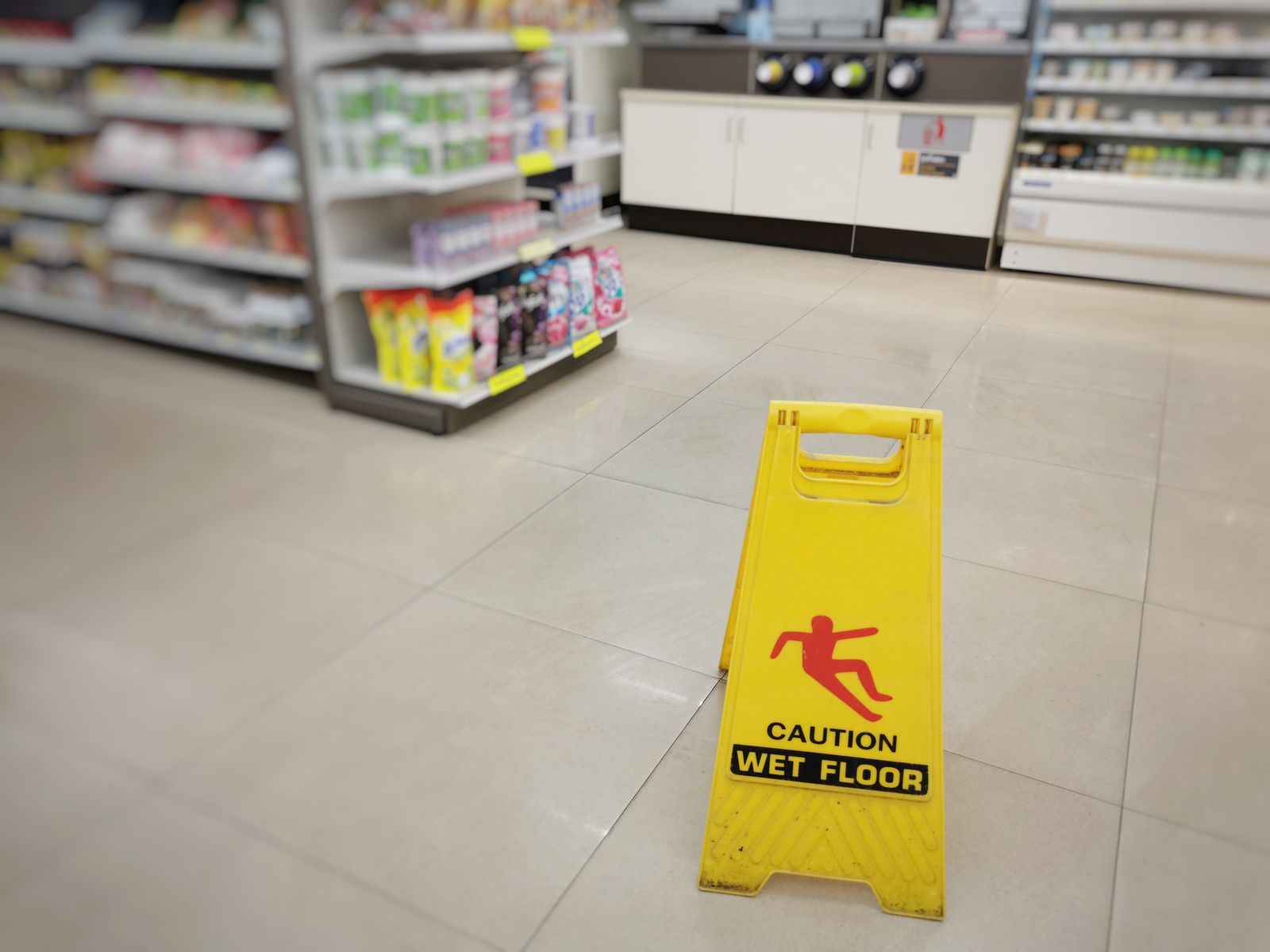
The question is whether a property owner or other responsible party failed to use reasonable care in relation to a dangerous condition and that failure caused an injury. A slick floor may be relevant, but the existence of a wet surface alone does not establish liability. The circumstances matter: why the hazard existed, how long it had been there, whether inspections were reasonable, whether warnings were present and whether the hazard was foreseeable. California Civil Code § 1714 is a starting point for general duties; an attorney must apply current law to the specific premises.
Who may be responsible for an unsafe property condition?
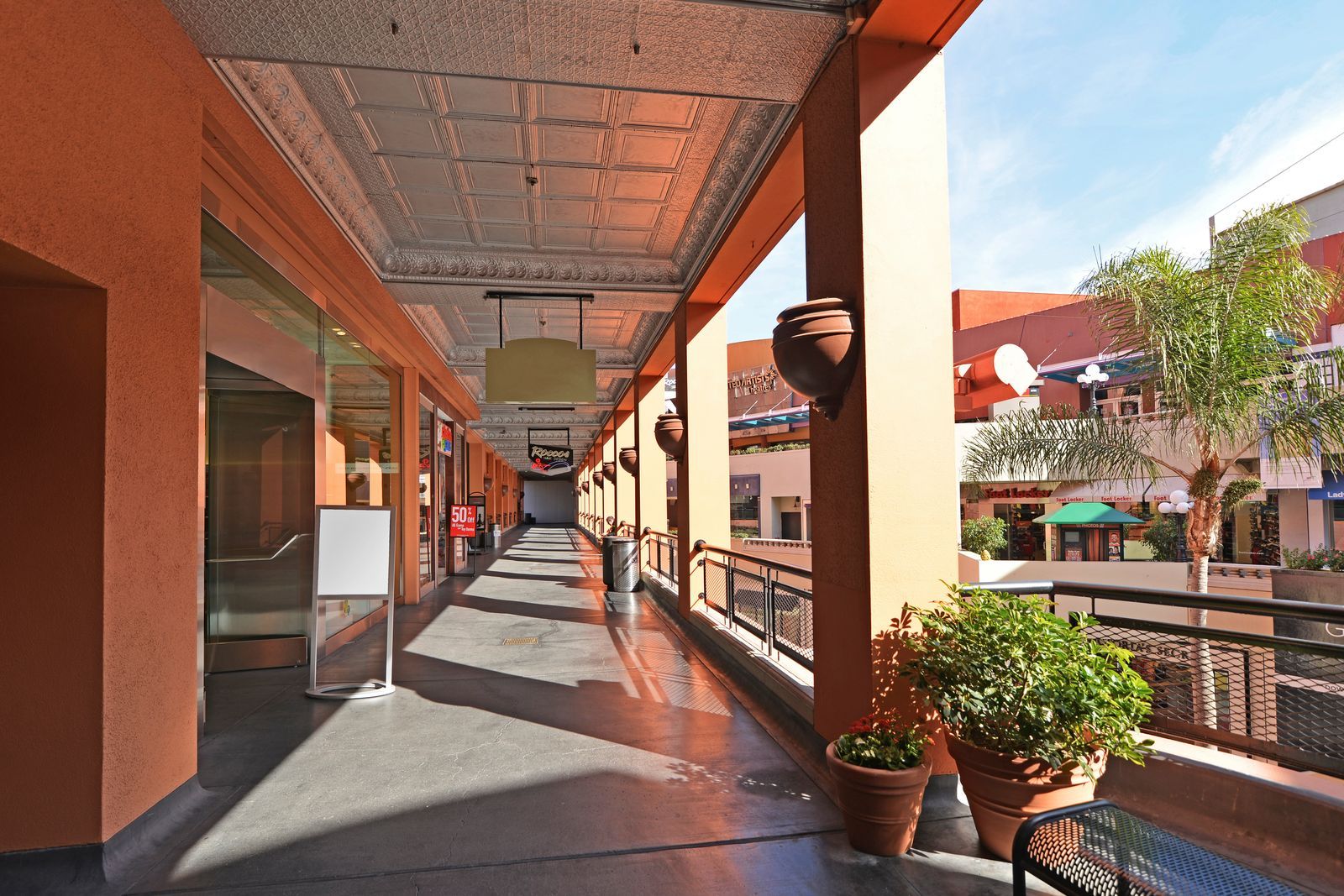
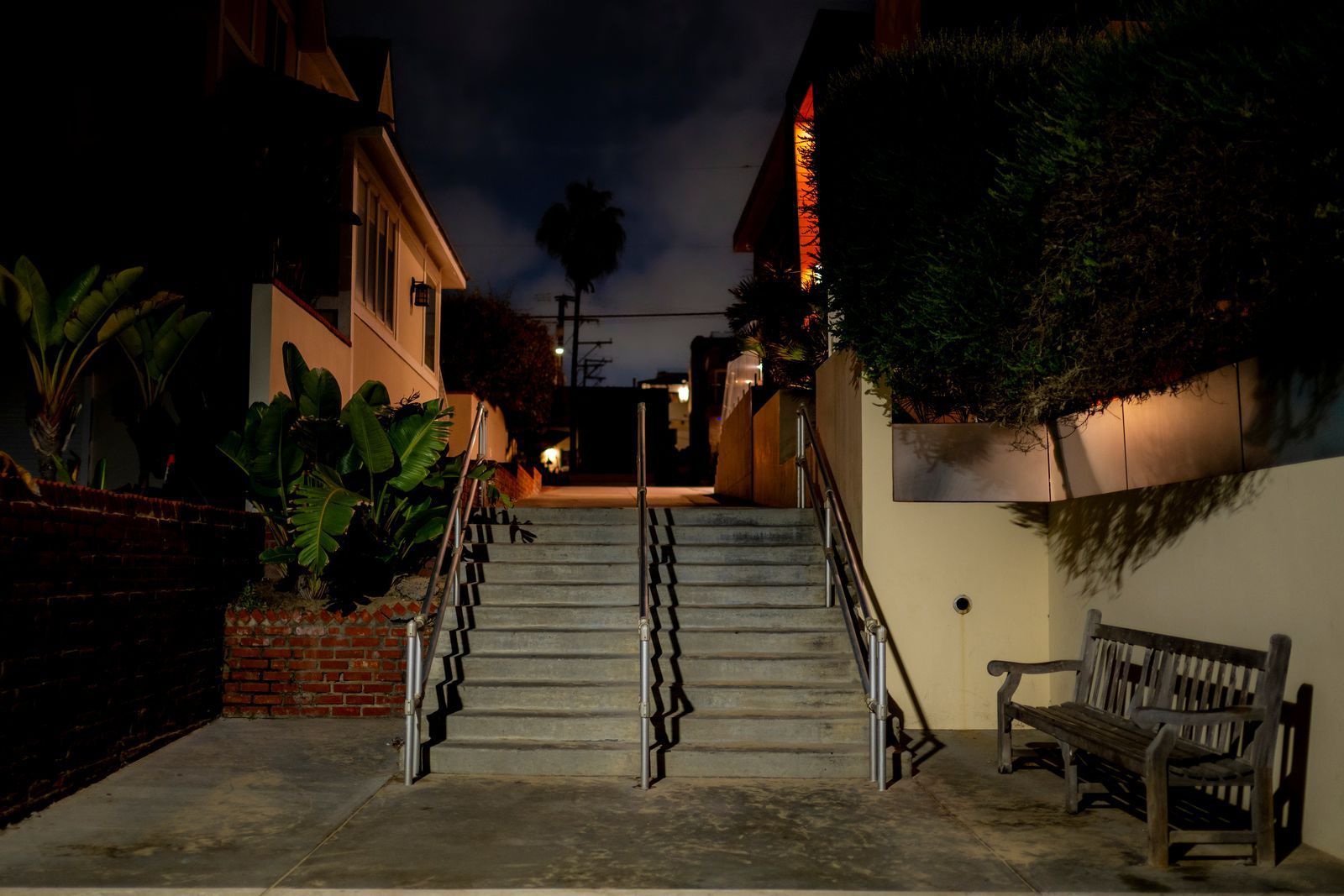
The correct defendant is not always the company name on a storefront. Depending on control of the area and the contract arrangements, responsibility may involve a property owner, tenant, manager, maintenance provider or another party. Staircases in rental properties, HOA-controlled walkways, hotel entrances, shop aisles and car parks raise different control and notice questions. You may need leases, incident logs, cleaning schedules and repair work orders to establish who could have prevented the danger.
Notice, photographs and time-sensitive video
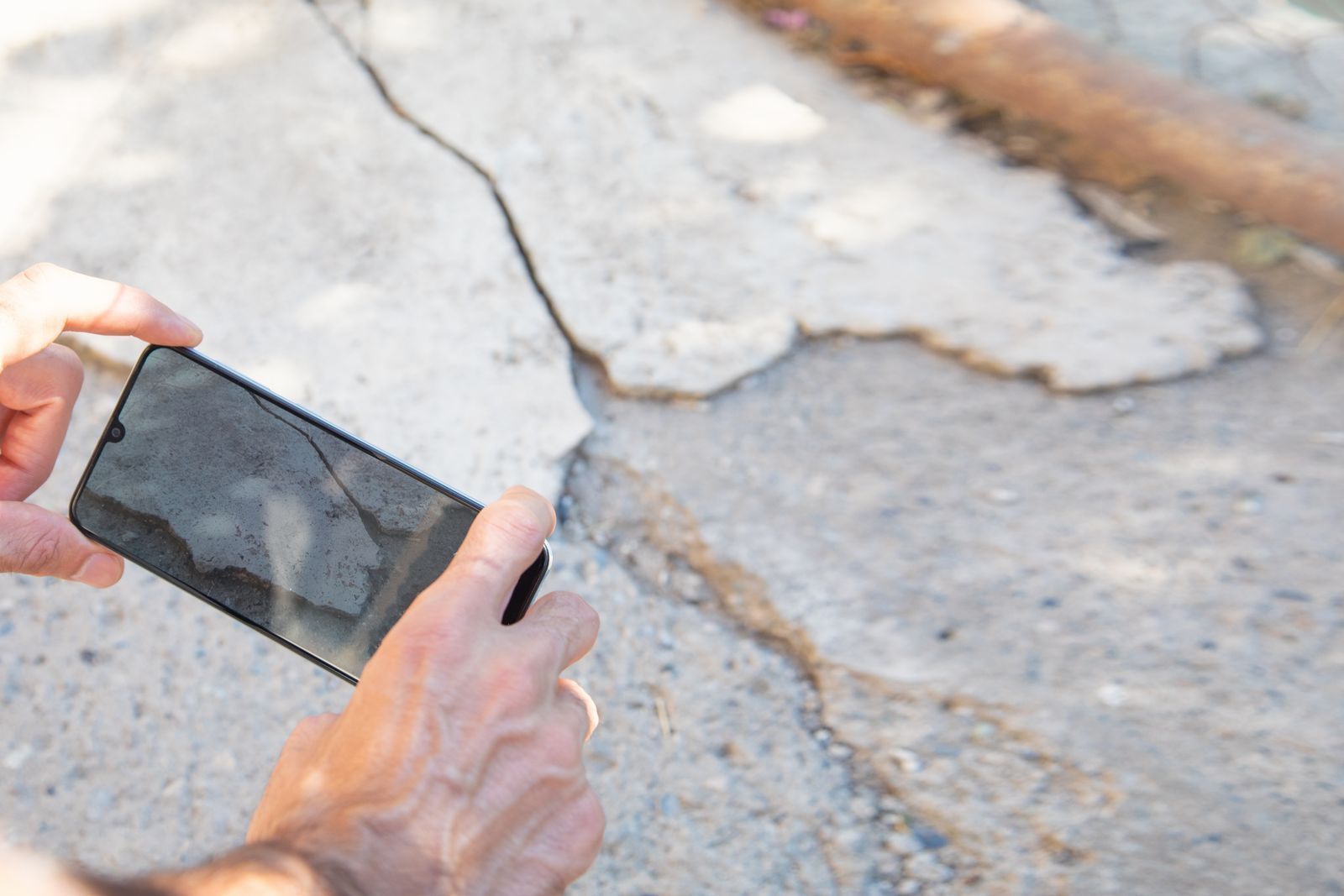
Take photographs of the precise spot from several angles before it changes, if it is safe to do so. Record lighting, weather, shoes, nearby warning signs and witness contact details. Report the event to the manager and request a copy of any incident report, without guessing about what caused the fall. Ask that CCTV footage and inspection logs be preserved. A business can replace a mat, mop up a spill or fix a broken step long before a claim is investigated. A careful contemporaneous record is often more useful than a dramatic description written weeks later.
Falls on government property require different attention
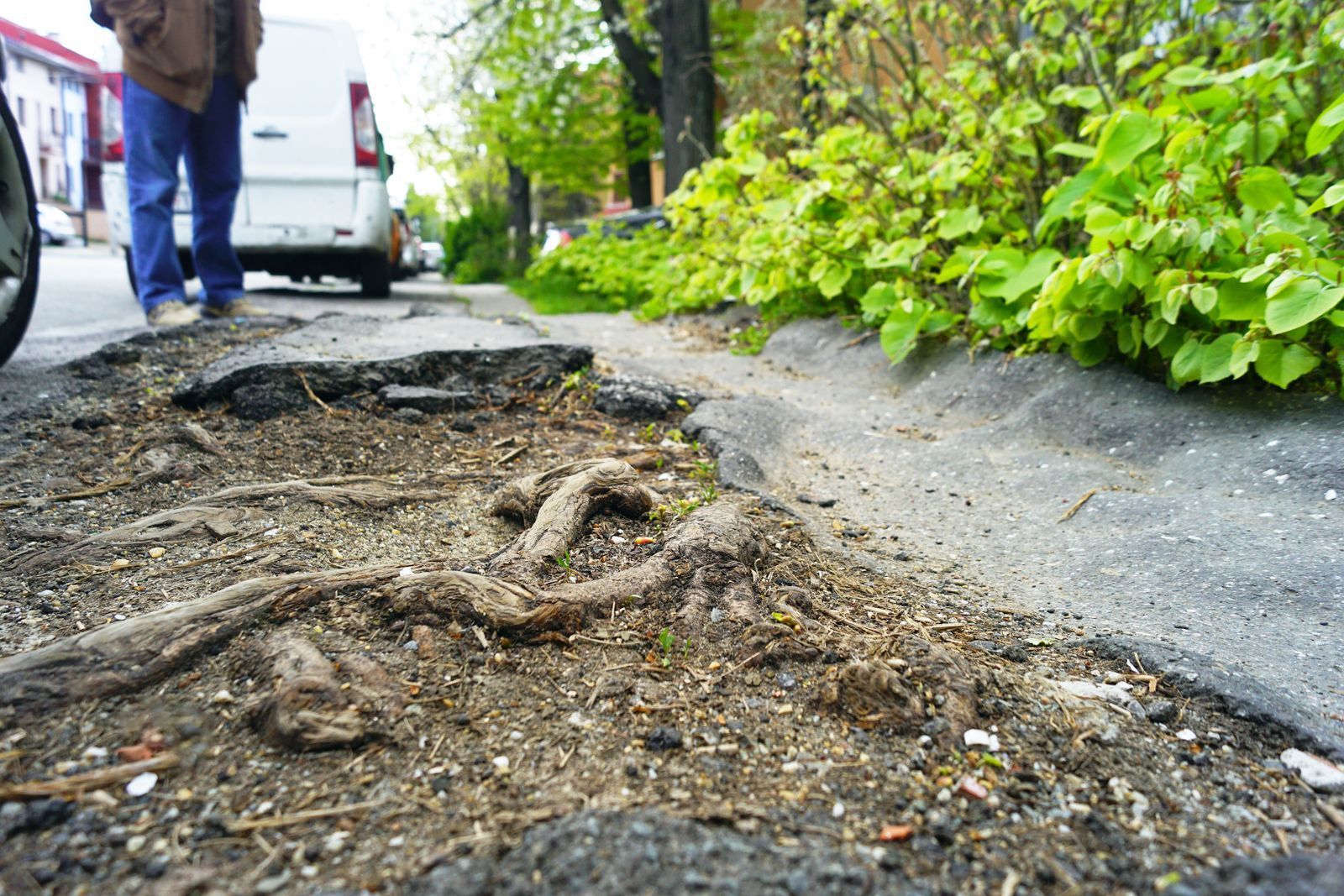
A fall involving public property can trigger California Government Code § 835 and government-claim procedures. Personal injury claims against public entities generally require presentation within six months under Government Code § 911.2, subject to statutory qualifications. Do not assume the premises owner is private, or that the ordinary two-year limitation is the only deadline. The firm should check the identity and control of the location immediately.
What if you were distracted or did not see the hazard?
Property owners and insurers sometimes argue that the condition was obvious or the injured person should have avoided it. California comparative fault principles can affect how responsibility is allocated. That is not the same as a definitive conclusion that no claim exists. The visibility of the hazard, reason you were on the property, placement of warnings, lighting and the feasibility of avoiding it all deserve a fact-specific review.
How a potential injury claim is evaluated
The strongest claims require more than proof that an accident happened. An attorney must identify an applicable legal duty, conduct that may have violated that duty, a causal connection with injury and measurable loss. Liability may be shared or disputed. A claim can involve more than one party, such as a driver and an employer, or a property occupier and an owner. An initial evaluation may reveal missing evidence or another deadline that deserves attention.
What happens after you contact the firm?
A free consultation starts with the facts, not a promise about the value of a case. Explain what happened, when it happened, who may have been responsible and what medical treatment you have received. The firm can discuss whether the matter falls within its practice and what information would help an attorney assess the claim. If you retain counsel, the next steps may include gathering records, identifying insurance coverage, preserving evidence, investigating responsibility and communicating with insurers. Where an appropriate resolution cannot be negotiated, a lawyer may evaluate litigation. Every case has its own timeline, risks and available evidence.
What compensation might an injury claim address?
Depending on liability, available insurance and the evidence, a California personal injury claim may involve medical expenses, expected treatment costs, earnings lost while recovering, reduced earning capacity and physical pain or emotional harm. Property damage and other losses may also matter in certain collisions. Documented losses and the effect of the injury on daily life usually matter more than a speculative settlement estimate. A serious injury does not, by itself, establish someone else's legal responsibility. Nor does a high medical bill guarantee a particular recovery.

Deadlines can arrive before recovery is complete
California Code of Civil Procedure § 335.1 generally provides a two-year limitations period for a claim involving injury or death caused by another's wrongful act or neglect. Different rules and exceptions may apply, including for some minors and claims involving government defendants. A personal-injury or death claim against a California public entity commonly requires an administrative claim presented within six months under Government Code § 911.2, potentially before a lawsuit. These rules are fact-sensitive: do not assume you have two years to contact a lawyer, particularly where a roadway, public vehicle or public property may be involved.
Claim against a public entity
Injury lawsuit filing period
What you can do now
Get appropriate medical attention and follow the advice of your treating professionals. Where safe, keep photographs of the scene, vehicles or hazard, and visible injuries. Save contact details for witnesses, police or incident reports, messages with insurers, receipts, wage records and appointment summaries. Avoid discarding damaged belongings. Keep a brief dated account of symptoms and their impact on work or routine activities; accuracy is more useful than exaggeration. If an insurance representative requests a recorded statement or broad medical authorisation, consider getting legal advice before agreeing.

Evidence and representation should fit the actual facts
An insurer may focus on whether you saw a warning cone. The better question is the whole setting: was the cone visible from your approach, was the condition unusually slippery, did staff have time to respond, and are there photographs or records that corroborate either account? If you did not know the answer in the moment, say so. Accurate recollection is stronger than a story assembled to sound certain.

What the firm’s published results can—and cannot—tell you
The firm lists personal injury matters on its case-results page. Published examples do not establish where the cases occurred, who handled each matter, or what any new client's case may be worth. Past outcomes do not guarantee a similar result.
See published case results for source context. These examples are not local results unless a location is independently substantiated.
Questions to ask during a free consultation
- Does the firm handle this type of case, and who would be responsible for it?
- What evidence might disappear, and which deadlines apply?
- How are attorney fees and case expenses addressed in the written agreement?
- What facts could weaken the claim, including disputed responsibility or insurance limits?
Speak with a Westlake Village injury lawyer
A slip or trip can leave you with a serious injury even when there is little visible evidence at the scene. Keep your photographs, report the event accurately and act promptly to preserve video. The firm can discuss whether the facts justify investigating a premises claim.
Call (866) 881-0403 or request your free consultation. No upfront payment under the firm’s advertised fee arrangement; confirm all terms in writing.
Bradley/Grombacher LLP | 31355 Oak Crest Dr #210, Westlake Village, CA 91361
Attorney advertising. General information only; not legal advice. Contacting the firm does not itself establish an attorney-client relationship. No outcome is guaranteed.